
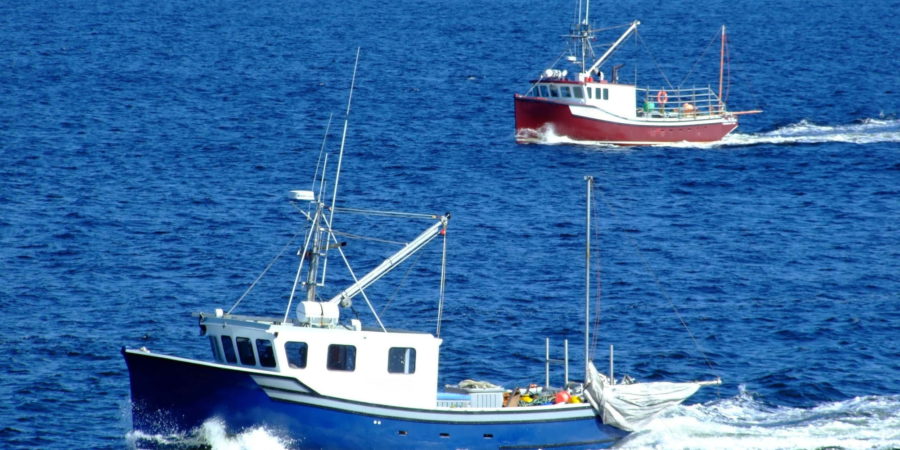
Yes, carbon tubes can be marine-grade, but not all are by default. Their performance in saltwater environments depends entirely on the resin system, surface finish, and manufacturing precision behind them.
Carbon fibre tubes aren’t automatically marine-grade just because they’re made from carbon. What makes them suitable for marine environments is how they’re built, what materials are used, and how carefully they’re sealed and protected.
Think of it this way. Carbon fibre itself is remarkably resilient. It doesn’t rust, it doesn’t corrode, and it maintains its structural integrity in conditions that would destroy metals.
But the resin that binds those fibres together? That’s a different story.
The fittings? They matter too. Even the smallest gap at a joint can become a liability.
When you understand what makes something marine-grade, you can make better decisions about what your project actually needs.
What Carbon Tubes Are Made Of
Every tube has two core elements.
- Reinforcement: the carbon fibre structure. It carries load, delivers stiffness, and gives the tube its signature strength-to-weight performance.
- Resin matrix: epoxy, vinyl ester, or polyester. It binds fibres, transfers load, and protects against moisture.
For marine use, epoxy and vinyl ester are preferred because they resist water and maintain bond strength. Put plainly. Marine epoxy resin systems offer superior saltwater resistance and long-term durability.
Advanced Composite Engineering manufactures roll-wrapped tubes in the UK, with true zero-degree axial fibre alignment available to maximise stiffness along the length. This process is ideal for thin-walled performance composites used in marine, motorsports, and aerospace applications.
You can also specify hybrid layups. For example, adding Kevlar in the outer layers for abrasion or impact zones, while keeping carbon for stiffness and weight. Kevlar is an aramid fibre known for high strength and heat resistance. It pairs well with carbon, where toughness is needed.
What Makes a Carbon Tube Marine-Grade
The difference between a standard carbon tube and a marine-grade one comes down to engineering intention. It’s about making deliberate choices at every stage of the manufacturing process.
-
Corrosion Resistance
Carbon fibre tubes for marine use don’t corrode. That’s one of its greatest advantages over traditional materials. But here’s what many people miss: the fittings, end caps, and attachment points absolutely can.
True corrosion-resistant composites use marine-grade stainless steel or anodised aluminium for any metal components. More importantly, they’re designed to prevent galvanic corrosion, the electrochemical reaction that occurs when dissimilar metals come into contact in the presence of an electrolyte like saltwater.
The carbon fibre itself can act as a cathode, potentially accelerating corrosion of less noble metals. Marine-grade designs isolate these materials properly, using non-conductive barriers or selecting compatible materials from the start.
-
Manufacturing Quality
For processes like vacuum infusion or autoclave curing, ensure complete resin saturation and eliminate voids that could trap moisture or create weak points. The fibre alignment must be precise because even small deviations affect how loads distribute through the structure. Temperature and cure cycles are carefully controlled because incomplete curing compromises chemical resistance.
This level of composite fabrication ensures every tube meets structural requirements and environmental demands consistently.
-
Sealing at Joints
If there’s a path into the interior of a carbon tube, moisture will eventually take it. Marine-grade carbon tubes feature comprehensively sealed joints.
End caps are bonded with marine adhesives or additional resin systems designed for underwater use. Cut ends are sealed completely, preventing moisture from wicking into the laminate structure through exposed fibre ends.
This attention to moisture sealing makes the difference between a tube that lasts decades and one that delaminates within years.
-
High Strength-to-Weight Ratio
Compare a carbon fibre tube to an aluminium or steel equivalent in marine use. The carbon tube will typically be 40-60% lighter whilst maintaining equal or superior strength and stiffness.
In marine environments, this high-strength-to-weight carbon fibre advantage results directly in performance. Lighter masts increase stability. Lighter structures reduce power requirements. Lighter components improve handling and reduce fatigue on mounting points.
Beyond static strength, these saltwater-resistant carbon tubes resist fatigue exceptionally well. Where metals develop stress cracks under cyclic loading, properly engineered carbon structures maintain their integrity through millions of cycles.
-
Durability and Longevity
Marine environments are unforgiving with UV exposure, salt spray, thermal cycling, impact from waves and debris, and constant vibration. Each of these would be challenging alone; together, they’re brutal.
Marine-grade composites are engineered for this reality. Impact resistance comes from proper fibre orientation and resin toughness. Delamination prevention comes from quality manufacturing and appropriate design. Long-term performance under cyclic loading comes from understanding how these materials behave under real-world stress.
The result is a structure that performs consistently year after year with minimal maintenance, a stark contrast to the constant attention traditional materials demand.
-
Moisture-Sealed Finish
Marine-grade carbon tubes use moisture-blocking epoxy clear coats or gel coats that create an impermeable barrier.
This finish serves multiple purposes. It prevents moisture from reaching the fibre-resin interface, where it could cause degradation. It resists osmotic blistering, the phenomenon where water molecules permeate the resin and create voids.
For submerged or high-humidity environments, this sealing represents the first and most important line of defence.
-
Reduced Vibration
An often-overlooked advantage of carbon fibre structures is their damping characteristics. These performance composites naturally absorb vibration better than metals.
In marine vehicles, this vibration reduction enhances stability, reduces mechanical fatigue on connected components, and improves operational comfort. It’s a secondary benefit that becomes primary once you’ve experienced the difference.
Practical Applications of Marine-Grade Carbon Tubes
Where theory meets practice, marine-grade carbon tubes prove their worth across diverse carbon tube applications.
Sailing
Masts, booms, and tillers made from these composites deliver the perfect combination of light weight, high stiffness, and corrosion resistance. They reduce the heeling moment, improve responsiveness, and eliminate the maintenance headaches of aluminium or wood.
High-Performance Watercraft
Hydrofoil structures demand extreme strength-to-weight ratios and fatigue resistance. Carbon tubes provide exactly this, enabling designs that would be impossible with traditional materials.
Marine Robotics
Submersible frames and underwater ROV arms require materials that perform consistently in challenging marine environments. These structures face hydrostatic pressure, salt water, and operational loads simultaneously. Marine composite engineering delivers solutions that are both light enough for manoeuvrability and strong enough for reliability.
Deck Components
From rudder shafts to specialised fittings, marine-grade carbon tubes reduce weight topside whilst providing superior structural performance. In racing applications, every kilogram matters.
Why Marine-Grade Carbon Tubes Stand Out
The advantages are measurable, meaningful, and multiply over the life of a vessel or system:
- Exceptional corrosion resistance that eliminates rust, oxidation, and degradation from saltwater exposure
- Superior strength-to-weight ratios that enable lighter, more efficient designs without compromising structural integrity
- Long-term durability with minimal maintenance requirements compared to metal alternatives
- UV and moisture resistance through engineered resin systems and protective finishes
- Fatigue resistance that maintains performance through millions of load cycles
- Vibration damping that reduces mechanical stress and improves system longevity
Build Smarter with Advanced Composite Engineering
At Advanced Composite Engineering, we design and manufacture high-performance carbon fibre tubes built for exceptional strength, precision, and reliability.
Our engineering expertise allows you to achieve your performance goals while meeting modern sustainability standards. From tapered configurations that optimise load distribution to hybrid layups that balance performance and cost, we deliver tailored composite solutions that fit your exact project requirements.
We can also integrate Kevlar and other advanced reinforcements where added impact or abrasion resistance is needed, ensuring every tube performs flawlessly in its intended environment.
Each tube is custom-built to order, combining expert craftsmanship with strict quality assurance. This bespoke approach guarantees consistent performance, structural integrity, and long-term durability across every application.
Our UK-based builds every carbon tube under ISO 9001:2015-certified quality standards, using advanced roll-wrapping techniques that turn engineering discipline into dependable performance.
Because when you start with purpose and build with intent, strength, durability, and integrity aren’t goals; they’re outcomes.
Take the Next Step Towards Smarter Composite Solutions
Browse our comprehensive composite glossary to understand material options and technical terms that will help you make informed decisions about your project requirements.
Complete our detailed enquiry form to receive a tailored quote that reflects your specific performance requirements and budget considerations.
Get in touch with our carbon fibre experts who can guide you through the selection process and answer your technical questions about marine-grade composite applications.
Our team combines decades of composite engineering experience with cutting-edge knowledge of advanced materials, ensuring you receive expert guidance for your marine structural applications.
FAQs
1. What are the different grades of carbon fibre
Grades you see most often refer to tow size. 1K, 3K, 6K, 12K, 24K and above. The number shows how many filaments sit in a single tow. 3K means three thousand filaments. Tow size influences weave appearance, drape and how a laminate consolidates, not the concept of “marine-grade” on its own.
2. How do I identify marine-grade carbon fibre
Look for four signals:
- Resin: marine epoxy resin or vinyl ester specified in the datasheet.
- Finish: UV-resistant coating or paint.
- Sealing: resin-sealed ends and sealed holes or inserts.
- Assembly: galvanic isolation at metal interfaces.
3. What does K mean in carbon fibre grade
“K” refers to filaments per tow. 1K is 1,000. 12K is 12,000. Smaller tow counts tend to drape more easily and show a tighter weave. Larger tows fill faster and can reduce cost. Choose two sizes to suit geometry and finish, then specify the laminate to meet loads.
4. What makes carbon tubes resistant to salt water?
Three things work together.
- Materials: carbon reinforcement with marine epoxy resin or vinyl ester.
- Protection: UV-resistant carbon tubes with sealed surfaces, resin-sealed ends and capped joints.
- Assembly: corrosion-resistant composites approach that isolates dissimilar metals and uses marine adhesives for bonds.
5. How do I seal marine-grade carbon tubes?
A simple field method.
- Cut or drill with carbide tools. Deburr. Clean with solvent.
- Brush a thin coat of neat marine epoxy on the cut edge or hole wall. Allow to cure.
- Fit end caps or bonded inserts with a compatible epoxy adhesive.
- Prime and topcoat with a UV-stabilised system.
- Reinspect coatings periodically. Re-seal any exposed edges after service work.